

What subjects can teddy bears be used to teach?
Nov 11, 2025
Leave a message
Hey there! As a teddy bear supplier, I've seen firsthand how these cuddly critters can be more than just toys. They're like little teaching tools in disguise, perfect for helping kids learn all sorts of subjects. Let's dive into what subjects teddy bears can be used to teach.
Math
Math can be a tough nut to crack for some kids, but teddy bears can make it a whole lot more fun. You can use them for basic counting. For example, line up a bunch of teddy bears and have the kids count how many there are. It's a hands - on way to learn numbers.
You can also introduce addition and subtraction. Say you have 5 teddy bears and you take away 2. Ask the kids how many are left. Or, start with 3 teddy bears and add 2 more. How many do you have now? It's a simple and engaging way to get them thinking about math operations.
For more advanced concepts like multiplication, you can group the teddy bears. If you have 3 groups of 2 teddy bears each, ask the kids how many teddy bears there are in total. It helps them visualize the concept instead of just memorizing multiplication tables.
Science
Teddy bears can be great for teaching science, especially biology. You can talk about the concept of living and non - living things. A teddy bear is a non - living thing, and you can compare it to a real bear, which is a living organism. Discuss the characteristics of living things like growth, movement, and reproduction.
You can also use teddy bears to teach about habitats. For instance, talk about where real bears live, like forests or mountains. You can even create a little habitat diorama with a teddy bear in it. It gives kids a better understanding of the environment and how different animals adapt to their surroundings.
In terms of physics, teddy bears can be used to demonstrate basic forces. Push a teddy bear across a table and talk about friction. Why does the teddy bear slow down? It's because of the friction between the teddy bear and the table surface. You can also talk about gravity when you drop a teddy bear. Why does it fall to the ground? It's all about those scientific principles.
Language Arts
Teddy bears are a goldmine for language arts. You can use them to tell stories. Create a story where the teddy bear goes on an adventure, like going to the zoo or the beach. Encourage the kids to add their own ideas to the story. It helps with their creativity and storytelling skills.
They're also great for teaching vocabulary. Describe the teddy bear using different adjectives. Is it soft, fluffy, big, or small? You can have a vocabulary building session where the kids come up with as many words as they can to describe the teddy bear.
For writing, you can ask the kids to write a short story about the teddy bear. It could be a simple paragraph or a longer narrative. It's a fun way to get them practicing their writing skills.
History and Geography
When it comes to history, you can use teddy bears to talk about the origin of teddy bears. The teddy bear was named after President Theodore Roosevelt. There's a really interesting story behind it. In 1902, Roosevelt was on a hunting trip, and he refused to shoot a bear cub that had been captured and tied to a tree. A political cartoonist drew a picture of this event, and soon after, a toy maker created the first teddy bear. It's a great way to teach kids about a piece of history.
Geography can also be taught with teddy bears. You can talk about different countries and cultures. For example, if you have a teddy bear dressed in traditional clothing from a particular country, you can introduce the kids to that country's geography, traditions, and customs. It gives them a global perspective.
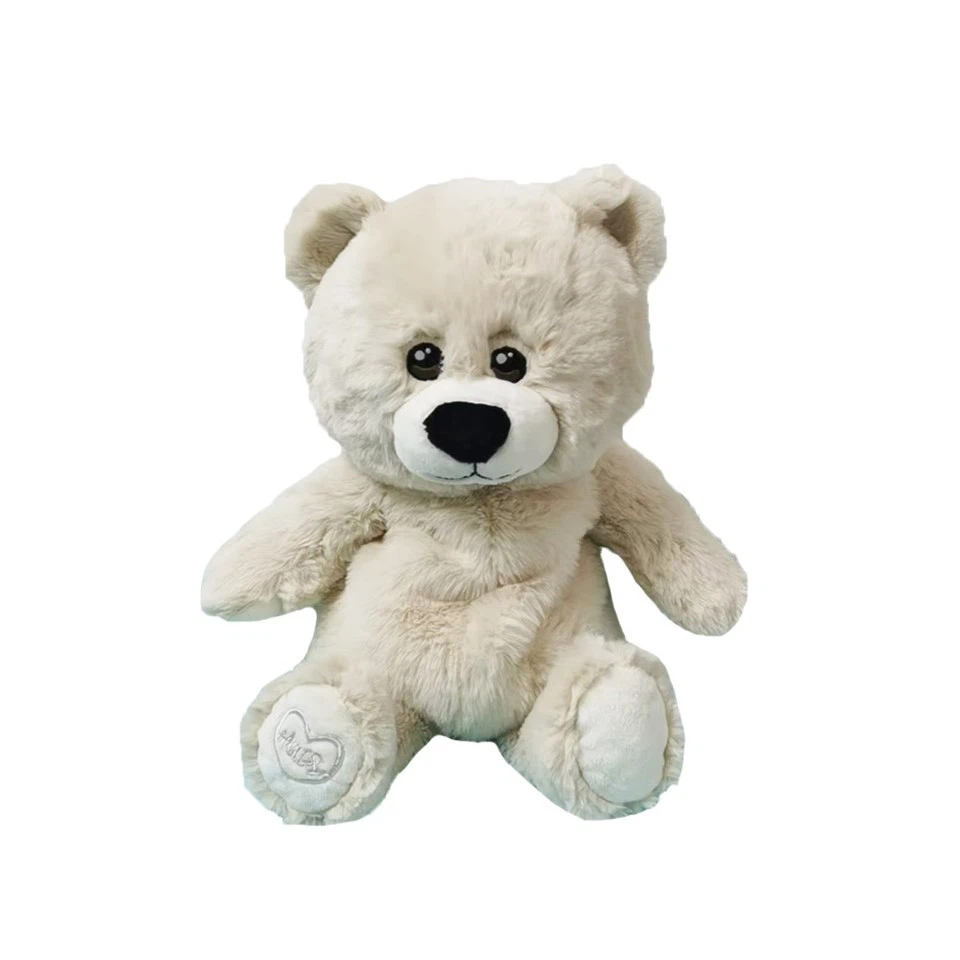

Social and Emotional Learning
Teddy bears are amazing for social and emotional learning. They can be used to teach empathy. Encourage the kids to take care of the teddy bear as if it were a real baby. They can feed it, put it to sleep, and comfort it when it's "sad." It helps them understand how to show care and concern for others.
They also help with self - expression. Kids can use the teddy bear to act out their own emotions. If they're feeling happy, they can make the teddy bear dance. If they're feeling sad, they can make the teddy bear cry. It's a safe way for them to express their feelings.
The Lavender Microwavable Teddy Bear
One of the special teddy bears we offer is the Lavender Microwavable Teddy Bear. This isn't just any ordinary teddy bear. The lavender inside gives off a calming scent when microwaved. It can be used in a classroom setting to help kids relax during stressful times, like before a big test.
You can also use it in a sensory learning activity. The soft texture of the teddy bear combined with the soothing lavender scent provides a multi - sensory experience. It can be especially beneficial for kids with sensory processing issues.
If you're an educator, a parent, or someone interested in using teddy bears for educational purposes, we'd love to have a chat with you. We have a wide range of teddy bears that can fit your teaching needs. Whether you're looking for a simple teddy bear for basic counting or a specialized one like the Lavender Microwavable Teddy Bear, we've got you covered. So, don't hesitate to reach out and start a conversation about how we can help you with your educational teddy bear needs.
References
- "The History of the Teddy Bear" by various historical archives
- "Teaching with Toys: Using Teddy Bears in the Classroom" by educational research journals
- "Sensory Learning and Teddy Bears" by child development studies
Send Inquiry