

What materials are used to make stuffed teddy bears?
Oct 07, 2025
Leave a message
When it comes to the world of stuffed teddy bears, the choice of materials is a critical factor that determines not only the bear's appearance but also its quality, durability, and overall appeal. As a supplier of stuffed teddy bears, I've had the privilege of working with a wide range of materials, each with its own unique characteristics. In this blog post, I'll take you on a journey through the various materials used to make these beloved cuddly companions.
Outer Fabrics
The outer fabric of a stuffed teddy bear is what gives it its first impression. It's the part that you touch, see, and interact with most directly. Here are some of the commonly used outer fabrics:
Plush Fabric
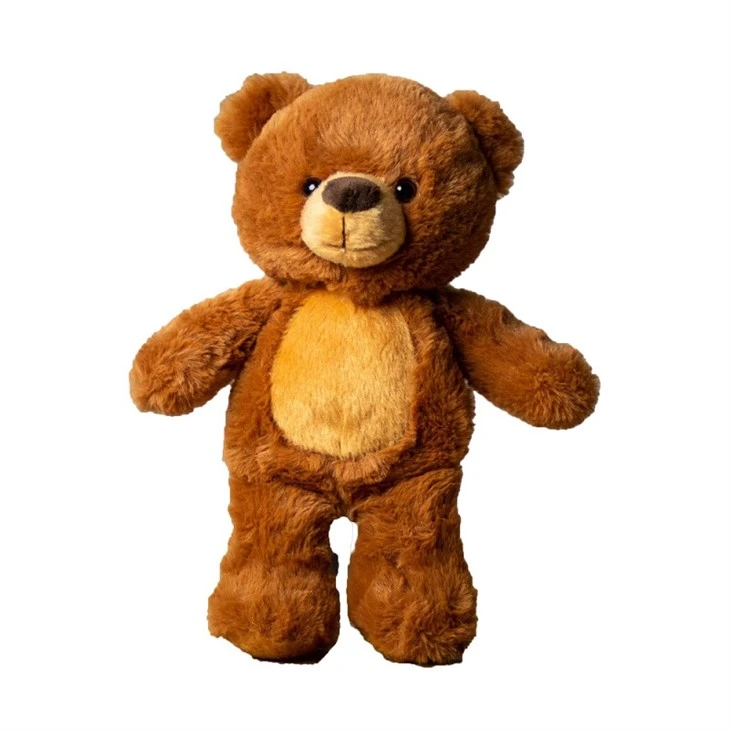
Plush is perhaps the most popular fabric for stuffed teddy bears. It's soft, fluffy, and has a luxurious feel. Plush fabrics are typically made from synthetic fibers such as polyester. Polyester plush is durable, easy to clean, and comes in a wide range of colors and textures. For example, there are short - pile plush that gives a smooth and sleek look, and long - pile plush that creates a more shaggy and cuddly appearance. Our Teddy Bear Stuffed Animal collection features a variety of plush options to suit different tastes.
Faux Fur
Faux fur is another excellent choice for teddy bears. It mimics the look and feel of real fur but without the ethical concerns. Faux fur can be made from a blend of synthetic fibers, and it comes in different lengths and colors. Some faux furs have a very realistic appearance, with a natural - looking sheen and texture. It adds a touch of elegance and sophistication to the teddy bear, making it suitable for more high - end or decorative purposes. Our Fluffy Teddy Bear range often incorporates faux fur to create a truly adorable and huggable bear.

Cotton
Cotton is a natural and breathable fabric. It's soft on the skin, making it a great option for teddy bears that will be used by children. Cotton can be dyed in a wide range of colors and can be printed with various patterns. It gives the teddy bear a more rustic or traditional look. However, compared to synthetic fabrics, cotton may require more care as it can wrinkle and may not be as stain - resistant.
Filling Materials
The filling of a stuffed teddy bear is what gives it its shape and softness. There are several types of filling materials available:
Polyester Fiberfill
Polyester fiberfill is the most commonly used filling material for stuffed teddy bears. It's lightweight, hypoallergenic, and easy to work with. Polyester fiberfill can be fluffed up easily to give the bear a full and round shape. It also retains its shape well over time, even after repeated hugs and squeezes. This type of filling is also relatively inexpensive, which makes it a cost - effective option for mass - produced teddy bears.
Shredded Foam
Shredded foam is another option for filling. It provides a firmer feel compared to polyester fiberfill. Shredded foam allows the teddy bear to hold its shape better, especially in areas like the limbs and body. It gives the bear a more substantial and realistic look. However, shredded foam may be a bit more expensive than polyester fiberfill and may not be as soft and cuddly in some cases.
Wool
Wool is a natural filling material. It's soft, warm, and has excellent insulating properties. Wool - filled teddy bears have a unique texture and feel. However, wool can be more expensive than synthetic fillings, and it may require special care to prevent moths and other pests. It's also not suitable for people with wool allergies.
Eye and Nose Materials
The eyes and nose of a teddy bear are important features that give it character.
Plastic Eyes and Noses
Plastic eyes and noses are the most common choice for teddy bears. They come in a variety of shapes, sizes, and colors. Plastic eyes can be either safety eyes, which are designed to prevent choking hazards, or non - safety eyes for more decorative or collector's items. Plastic noses can be molded to look realistic, with different textures and details.
Glass Eyes
Glass eyes are often used in high - end or collectible teddy bears. They give the bear a more realistic and lifelike appearance. Glass eyes have a beautiful shine and can add a touch of elegance to the bear. However, glass eyes are more fragile than plastic eyes and may be more expensive.
Embroidery
Instead of using separate eyes and noses, some teddy bears have these features embroidered onto the fabric. Embroidery can create a more subtle and soft - looking appearance. It's a great option for teddy bears that have a more traditional or handmade look.
Accessories and Decorations
In addition to the main materials, teddy bears can also be adorned with various accessories and decorations.
Ribbons and Bows
Ribbons and bows are a classic way to decorate a teddy bear. They can be made from silk, satin, or other fabrics. Ribbons and bows can add a pop of color and a touch of femininity or playfulness to the bear.
Patches and Buttons
Patches and buttons can be used to add unique details to the teddy bear. For example, a patch with a cute design or a button in a special shape can make the bear stand out. These can be sewn onto the bear's body or clothing.
Clothing
Some teddy bears come dressed in clothing. The clothing can be made from a variety of fabrics, just like human clothing. It can range from simple onesies for baby teddy bears to elaborate costumes for collectible bears.
As a supplier of stuffed teddy bears, we carefully select the materials we use to ensure the highest quality and the best possible product for our customers. We understand that the materials we choose can make a big difference in the overall appeal and longevity of the teddy bear.
If you're interested in purchasing our stuffed teddy bears or have any questions about our products, please don't hesitate to contact us for a procurement discussion. We're always happy to work with you to find the perfect teddy bear for your needs.
References
- "The Art of Stuffed Animals" by Stuffed Animal Association
- "Materials in Toy Manufacturing" by Toy Industry Journal
Send Inquiry