

Do purple teddy bears have a specific smell?
Dec 08, 2025
Leave a message
As a supplier of purple teddy bears, I've often been asked a rather curious question: Do purple teddy bears have a specific smell? It might seem like a strange inquiry at first, but upon reflection, it's a question that delves into the multi - sensory experience of these beloved plush toys. In this blog, we'll explore this topic from various angles, including the manufacturing process, materials used, and consumer perception.
The Manufacturing Process and Its Impact on Smell
The journey of a purple teddy bear begins in the manufacturing facility. The first step usually involves selecting the right materials. Most purple teddy bears are made from synthetic fibers such as polyester. Polyester is a popular choice because it is durable, easy to clean, and can be dyed to achieve the vibrant purple color that consumers love.
During the manufacturing process, these fibers go through several treatments. They are spun into yarns, which are then woven or knitted into the fabric that will form the teddy bear's body. Chemicals are often used in this process, including dyes, flame retardants, and finishing agents. These chemicals can leave behind a faint odor.
For example, the dyes used to create the purple color may contain solvents or other chemical compounds that have a distinct smell. Flame retardants, which are added to meet safety standards, can also contribute to the overall odor of the teddy bear. However, modern manufacturing techniques have come a long way in reducing these chemical odors. Most reputable manufacturers now use low - VOC (volatile organic compounds) dyes and finishes, which means that the smell is often very subtle and dissipates quickly.
In addition to the fabric, the stuffing inside the teddy bear can also affect its smell. Common stuffing materials include polyester fiberfill, which is generally odorless. However, if the stuffing is not properly stored or if it has been exposed to moisture during the manufacturing process, it could develop a musty smell.
The Role of Packaging and Storage
Once the purple teddy bears are manufactured, they are packaged and stored before being shipped to retailers or directly to consumers. The packaging materials can also influence the smell of the teddy bears. For instance, plastic bags or boxes used for packaging may have a plastic - like odor. If the teddy bears are stored in a warehouse with poor ventilation, they may absorb other odors present in the environment, such as the smell of cleaning agents or the musty smell of an old building.
On the other hand, some manufacturers take extra steps to ensure that the teddy bears have a pleasant smell. They may use scented packaging materials or add a light fragrance to the teddy bears during the manufacturing process. This can give the teddy bears a fresh, clean smell that is appealing to consumers.
Consumer Perception of Smell
The perception of smell is highly subjective. What one person may consider a pleasant smell, another person may find unpleasant. Some consumers may not notice any smell at all when they first receive a purple teddy bear, while others may be very sensitive to even the slightest odor.
For many people, the smell of a new teddy bear can evoke positive emotions. It can remind them of childhood, comfort, and security. On the contrary, if the smell is too strong or unpleasant, it can be a turn - off. This is why manufacturers need to strike a balance between using the necessary chemicals in the manufacturing process and ensuring that the final product has an acceptable smell.
Comparing with Other Types of Teddy Bears
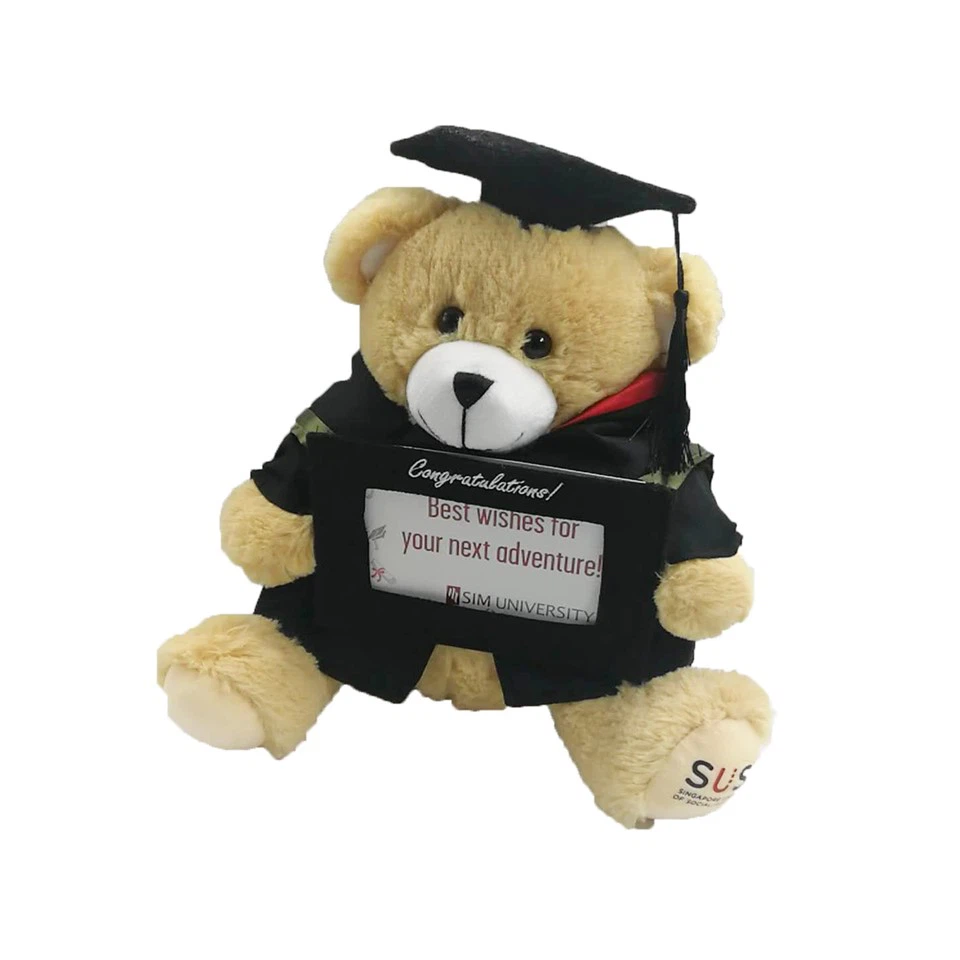
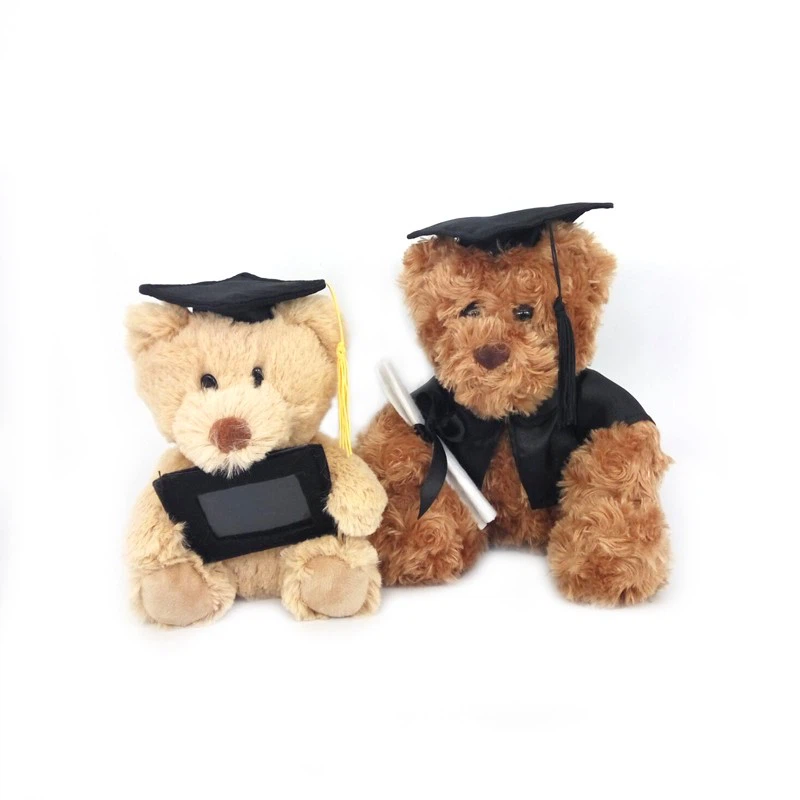
When we compare purple teddy bears with other types of teddy bears, such as Black Teddy Bear or Graduation Teddy Bear, the smell may vary depending on the specific materials and manufacturing processes used for each type.
For example, a black teddy bear may use different dyes or finishes compared to a purple teddy bear, which could result in a different smell. A graduation teddy bear, which may have additional decorations or accessories, may also have a different odor profile due to the materials used in those decorations.
Special - Occasion Teddy Bears and Their Smell
Special - occasion teddy bears, like Custom Dog Valentines, are often designed with extra care and attention to detail. They may be made from higher - quality materials or have unique features that can affect their smell.
For instance, a custom dog valentine teddy bear may have a fabric that is softer and more luxurious, which could potentially have a different smell compared to a regular purple teddy bear. The additional decorations, such as heart - shaped patches or bows, may also introduce new materials and odors.
How to Minimize Unpleasant Smells
If you are a consumer who has received a purple teddy bear with an unpleasant smell, there are several steps you can take to minimize it. First, you can air out the teddy bear. Simply place it in a well - ventilated area for a few hours or even a few days. This will allow the odors to dissipate.
You can also try washing the teddy bear. Most purple teddy bears can be machine - washed on a gentle cycle using mild detergent. However, it's important to check the care instructions first to make sure that the teddy bear can withstand washing. After washing, let the teddy bear dry completely in a well - ventilated area.
Our Commitment as a Supplier
As a supplier of purple teddy bears, we are committed to providing high - quality products with minimal odor. We work closely with our manufacturers to ensure that they use the best materials and the latest manufacturing techniques. We also conduct strict quality control checks to make sure that each teddy bear meets our standards in terms of smell, as well as other factors such as appearance and durability.
If you are interested in purchasing our purple teddy bears or exploring our other products like Custom Dog Valentines, Black Teddy Bear, or Graduation Teddy Bear, we invite you to reach out to us for a procurement discussion. We are more than happy to answer any questions you may have and provide you with detailed product information.
References
- Smith, J. (2020). The Science of Soft Toys. Toy Manufacturing Journal, 15(2), 45 - 52.
- Johnson, L. (2019). Impact of Packaging on Product Odor. Packaging Research Review, 22(3), 67 - 74.
- Brown, A. (2021). Consumer Perception of Toy Smell. Consumer Behavior Studies, 30(1), 89 - 98.
Send Inquiry